
Every broker's homepage says the same things: tight spreads, fast execution, award-winning support. The words are free. What separates a broker you can trust from one you'll regret is underneath the marketing — and it's checkable in about twenty minutes if you know where to look.
Here's the checklist, in the order that matters.
1. Regulation — check it, don't take their word
This is the one that protects your money, so it comes first. A regulated broker answers to an authority that enforces capital requirements and client-fund rules. Find the regulator and licence number on the site, then verify it on the regulator's own public register — not a screenshot on the broker's page.
At Alpin Markets that's the UAE Capital Market Authority; the licence number is on the company page and searchable on the CMA register. If a broker won't name its regulator plainly, stop there.
2. The real cost of a trade — spread plus commission
"Zero commission" doesn't mean free — the cost is just moved into the spread. To compare brokers honestly, add both together on the pair you actually trade:
- Spread — the gap between buy and sell, in pips
- Commission — a flat charge per lot, on raw-spread accounts
- Swap — the overnight financing cost if you hold positions
A raw account with a small commission is often cheaper than a "commission-free" account with a wider spread. We break that maths down in Raw vs Classic accounts.
3. Execution quality — the cost you can't see on the pricing page
Tight spreads mean nothing if your order fills at a worse price. Ask two questions: does the broker offer market execution (not a dealing desk that can reject or requote you), and what's the story on slippage during news? A demo account on the real server tells you more than any marketing claim.
The spread is the price they advertise. Execution is the price you actually get. Judge brokers on the second one.
4. Withdrawals — how you get your money back
More complaints come from withdrawals than from anything else. Before funding, know: the withdrawal methods, the typical processing time, any fees, and whether profits can be withdrawn without hidden conditions. A broker that makes deposits instant and withdrawals slow is telling you something.
5. The platform you'll actually use
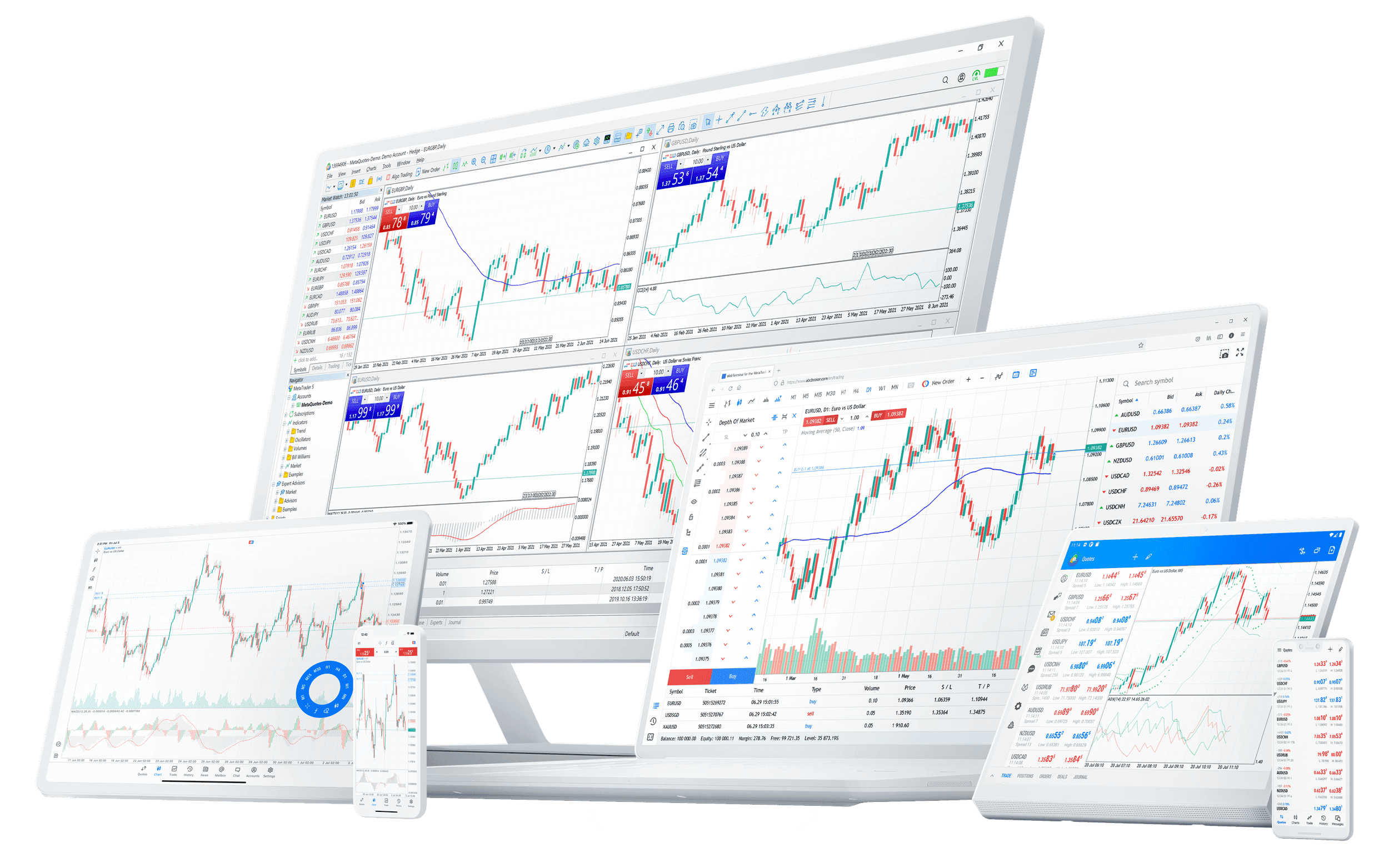
Most serious brokers run MetaTrader 5 (or MT4) — a known, stable, feature-rich standard that works across desktop, web and mobile. Be cautious with brokers that only offer a proprietary web platform you can't take with you. See our platform overview for what a full MT5 setup includes.
6. Real support, before you're a customer
Test it. Message support with a genuine question before you deposit. How fast they answer, and whether the answer is a human who understands trading, is exactly how they'll treat you when something goes wrong with real money on the line.
7. The fine print — leverage, fees, and account terms
Skim the client agreement for the things that surprise people later: inactivity fees, leverage limits (higher isn't always better — it cuts both ways), minimum deposit, and whether the account currency suits you. Five minutes here saves a lot of annoyance.
The twenty-minute version
- Verify the licence on the regulator's website.
- Add spread + commission + swap on your pair.
- Open a demo on the live server and watch execution.
- Message support with a real question.
- Read the withdrawal terms before you fund.
Do those five and you'll have filtered out most of the brokers that would have cost you — long before a single dollar is at risk.
This article is general information for educational purposes only and is not investment advice. Trading leveraged products carries a high risk of loss.