Two brokers can advertise the same 0.1-pip spread and give you completely different results. The difference is execution — how fast, and at what price, your order actually fills. It's the cost that never appears on the pricing page, and over hundreds of trades it matters more than the spread you were comparing.
Here's what really drives execution speed, and how to check it before you commit real money.
Market execution vs a dealing desk
The first thing to know is who is on the other side of your order.
- Market execution (STP/ECN) — your order is routed to liquidity providers and filled at the best available price. No one is deciding whether to accept it.
- Dealing desk — the broker can take the other side, and can requote or reject orders that don't suit them.
For speed and fairness, you want market execution. A broker that can requote you is a broker that can slow you down at exactly the wrong moment.
Where the milliseconds actually go
"Fast execution" isn't one thing — it's a chain, and it's only as quick as its slowest link:
- Your connection to the broker's server.
- Server location — a server far from the liquidity venues adds latency to every order.
- The broker's liquidity — deep, multiple liquidity providers mean an order fills quickly at a good price; thin liquidity means partial fills and slippage.
- The bridge/technology routing your order to those providers.
A broker can't fix your internet, but the other three are theirs to get right — and they're what separates genuinely fast execution from a marketing line.
Speed you can measure is real. Speed on a banner is not. Judge execution on a live account, not a homepage.
Slippage — the honest part nobody advertises
Slippage is the gap between the price you clicked and the price you got. It isn't inherently bad — in a fast-moving market some slippage is physics, not malpractice. What matters is whether it's symmetric: a fair broker slips you against and in your favour as the market moves. Consistent slippage that only ever costs you is a red flag worth walking away from.
How to test execution before you trust it
You don't have to take anyone's word for it:
- Open a demo on the broker's live server (not a separate demo server) and place orders during a busy session.
- Trade a news event in demo and watch what happens to fills and slippage when volatility spikes.
- Start live with small size and compare your fill prices to the quoted prices for a week.
- Check that stop and limit orders trigger cleanly at your levels.
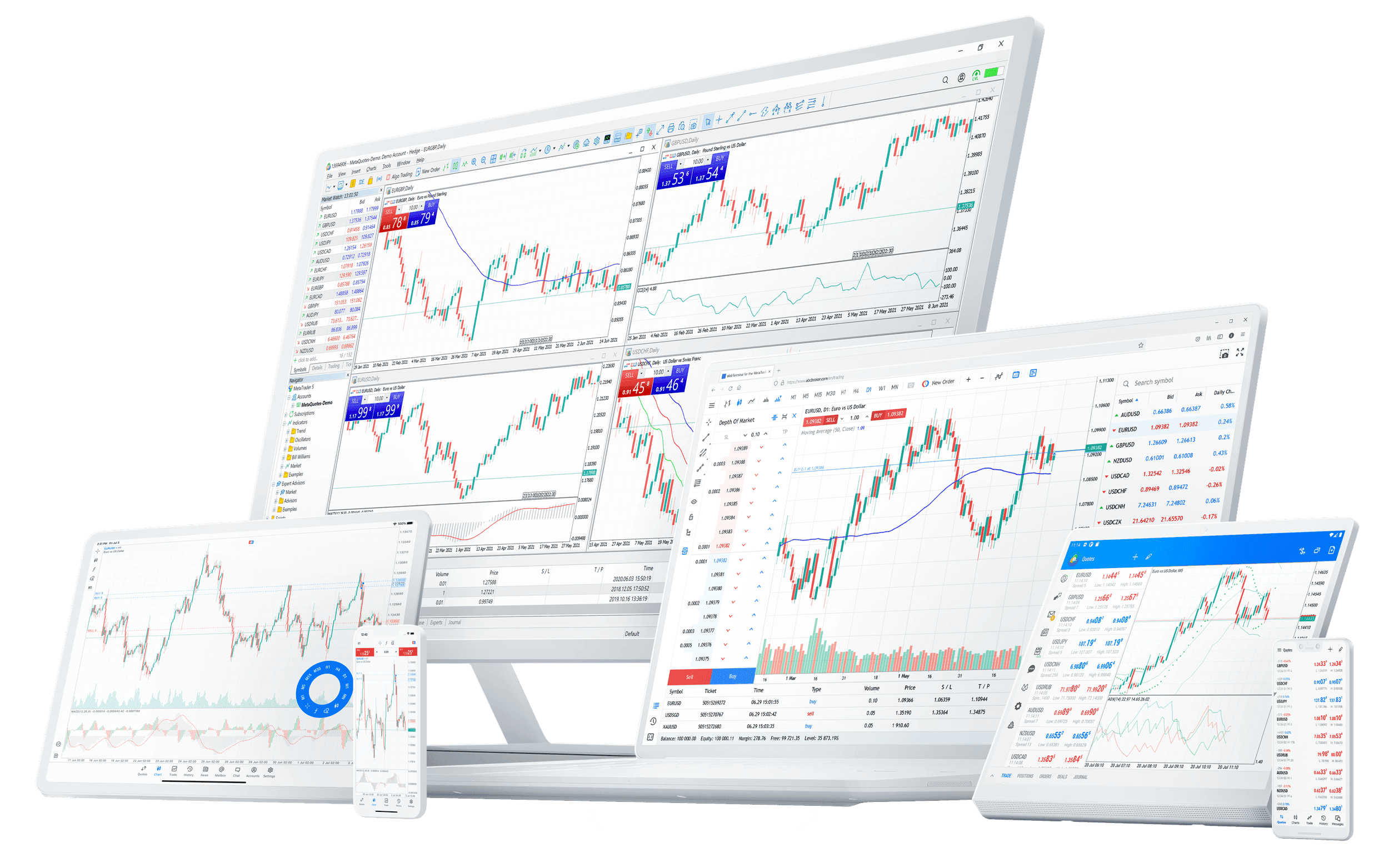
If fills are quick and slippage is fair under pressure, that's a broker whose execution you can build on. Alpin Markets runs market execution on MetaTrader 5 — the same conditions on demo and live, so what you test is what you trade.
The takeaway
Spread gets you in the door; execution is what you actually pay. Before you judge a broker on its pricing page, judge it on how its orders fill when the market moves — because that's the number that shows up in your account.
This article is general information for educational purposes only and is not investment advice. Trading leveraged products carries a high risk of loss.