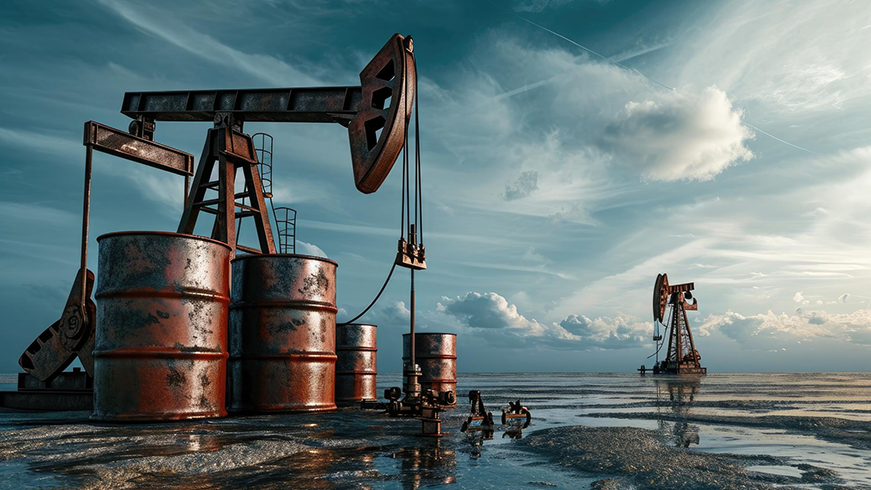

Energy markets include widely used resources such as oil and gas. Their prices are influenced by global demand, supply, and economic activity.
Energy markets focus on natural resources that power industries, transport, and daily life. Price movement is affected by production levels and global consumption.
Energy markets focus on natural resources that power industries, transport, and daily life. Price movement is affected by production levels and global consumption.
Energy markets offer active trading opportunities driven by global demand and supply changes.
Energy products are traded heavily, leading to active price movement.
Energy prices react strongly to changes in worldwide consumption.
Production levels and supply decisions play a major role in energy prices.
Energy markets often show strong price movement, creating trading opportunities.
These are some of the most commonly traded energy products in the market.
Crude oil is one of the most traded energy products and is influenced by global supply and demand.
Natural gas prices are affected by seasonal demand and production levels.
Heating oil is used mainly for energy needs in colder regions.
Energy markets are suitable for traders who want exposure to global supply and demand trends. They are often chosen by traders seeking active price movement.
Energy trading involves speculating on the price movements of global energy commodities such as Crude Oil, Brent Oil, Natural Gas, and other energy-related instruments. Energy markets play a major role in the global economy and are among the most actively traded commodity sectors in the financial markets. Due to constant changes in supply and demand, energy prices can experience significant volatility and create trading opportunities for investors worldwide.
The prices of energy commodities are influenced by several global factors, including economic growth, geopolitical tensions, weather conditions, production levels, transportation costs, and decisions made by major oil-producing countries and organizations. Events such as supply disruptions, political instability, and changes in global consumption patterns can cause rapid price fluctuations in the energy markets.
At ALPIN MARKETS, traders can access Energy CFDs and speculate on market movements without physically owning the underlying commodity. CFD trading allows traders to take both Buy (Long) and Sell (Short) positions, providing flexibility to trade in rising and falling market conditions.
Energy commodities are priced based on global supply and demand conditions.
For example:
BRENT = 82.30
This means that Brent Crude Oil is currently trading at $82.30 per barrel.
If traders believe oil prices will rise due to production cuts or increasing demand, they may open a Buy position. If they expect prices to decline because of oversupply or weaker demand, they may open a Sell position. Energy prices continuously fluctuate based on geopolitical events, economic data, and market expectations.
ALPIN MARKETS offers competitive spreads, deep liquidity, fast order execution, and advanced trading platforms designed to provide efficient access to global energy markets. Traders also benefit from real-time market pricing, technical analysis tools, and secure trading infrastructure that supports informed and reliable trading decisions.
Energy trading remains popular among traders seeking market volatility, diversification opportunities, and exposure to one of the world’s most essential economic sectors. Through ALPIN MARKETS, traders can participate in global energy markets using professional trading technology and advanced market access.
Subscribe to our newsletter and get the latest market insights, trading tips, and platform updates – delivered straight to your inbox.